
The Moral Limits of Forgiveness
Of Human BondagePhilip's increasingly generous view of human weakness does not erase harm, but it changes how he understands blame and responsibility.
increasing Bearing strength in each event
 decreasing
Bearing strength in each eventdecreasingCruelty and Retaliation

Cruelty and Retaliation
Philip learns that mockery can wound for years, and he sometimes uses his own sharpness to hurt others before they can hurt him. Shame and cruelty become entangled.
A mixed inheritance
His own capacity to cause pain prevents him from seeing himself as merely a victim. The novel traces moral understanding through both inflicted and suffered humiliation.
The Cost of Philip's Passion

The Cost of Philip's Passion
Philip's pursuit of Mildred involves jealousy, manipulation, and financial generosity that he expects to matter emotionally. He later sees how little his intentions protected either of them from harm.
Responsibility without control
His suffering explains his actions but does not make every action wise or kind. Learning to separate compassion from possession becomes part of his moral growth.
Forgiving the Betrayal
Forgiving the Betrayal
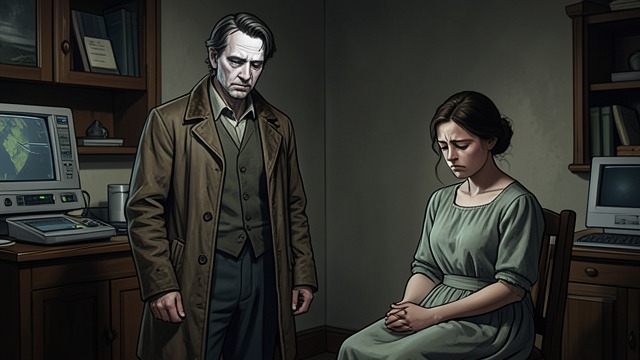
Philip hears how Mildred pursued Griffiths after their weekend and how Griffiths eventually rejected her. He sees the humiliation she endured without regaining his former love.
Understanding without approval
His response moves from anger toward recognition that both acted from limitations and desires they did not master. Forgiveness becomes possible because he no longer needs to deny the harm.
The Dead and the Living

The Dead and the Living
Philip considers how the deaths of Cronshaw and Hayward seem to leave no lasting public result. Their lives matter through the particular experiences and relationships they formed.
Compassion in a meaningless world
A lack of cosmic purpose does not require contempt for other people. Philip becomes more able to see human frailty as common ground rather than proof of inferiority.
Acceptance of Sally

Acceptance of Sally
Philip chooses Sally and a settled life after recognising that his grand plans have not been the desires of his own heart. He is prepared to build a future without certainty about what it means.
A humane conclusion
The choice rests on affection, responsibility, and acceptance of imperfection. It resolves his immediate journey without pretending that every wound or question has disappeared.
during Philip's school years
during Philip's relationship with Mildred
after Philip's friends recount Mildred's pursuit of Griffiths
after Philip interprets the Persian carpet
at the end of the novel
